Thursday, 28 July 2016

Xiaomi Redmi Pro Review: Xiaomi never fails to surprise


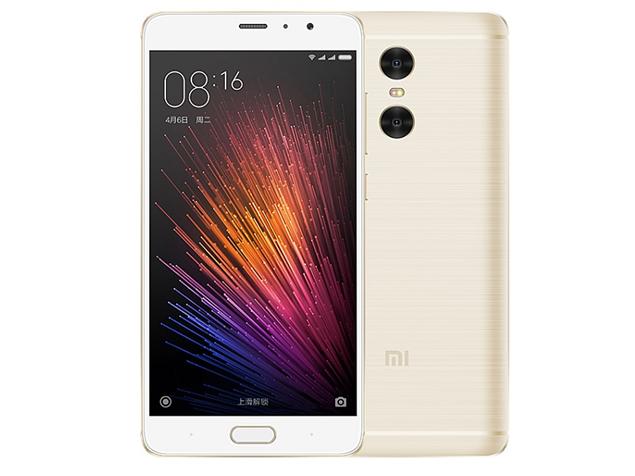
Xiaomi Redmi Pro smartphone was launched in July 2016. The phone comes with a 5.50-inch touchscreen display with a resolution of 1080 pixels by 1920 pixels at a PPI of 342 pixels per inch.

The Xiaomi Redmi Pro is powered by 2.1GHz MediaTek Helio X20 processor and it comes with 3GB of RAM. The phone packs 32GB of internal storage that can be expanded up to 128GB via a microSD card. As far as the cameras are concerned, the Xiaomi Redmi Pro packs a 13-megapixel primary camera on the rear and a 5-megapixel front shooter for selfies.

The Xiaomi Redmi Pro runs Android and is powered by a 4050mAh non removable battery. It measures 151.50 x 76.20 x 8.15 (height x width x thickness) and weighs 174.00 grams.

The Xiaomi Redmi Pro is a dual SIM (GSM and GSM) smartphone that accepts Nano-SIM and Micro-SIM Connectivity options include Wi-Fi, GPS, Bluetooth, 3G, 4G (with support for Band 40 used by some LTE networks in India). Sensors on the phone include Proximity sensor, Ambient light sensor, Accelerometer, and Gyroscope.

About Xiaomi
Xiaomi is a privately owned company that designs, develops, and sells smartphones, an Android-based OS, and other consumer electronics. Xiaomi also makes fitness trackers, TVs, air purifiers, and tablets. It has a skin for its Android phones and tablets – MIUI. The company largely sells its phones via flash sales in India.

Display

5.50-inch

Processor

2.1GHz

Front Camera

 5-megapixel

Resolution

 1080x1920 pixels

RAM

 3GB

OS

 Android

Storage

32GB

Rear Camera

13-megapixel

Battery capacity

4050mAh

Xiaomi Redmi Pro detailed specifications
                         
                            General
Release dateJuly 2016
Form factorTouchscreen
Dimensions (mm)151.50 x 76.20 x 8.15
Weight (g)174.00
Battery capacity (mAh)4050
Removable batteryNo
ColoursGold, Silver, Dark Grey


DISPLAY
Screen size (inches)5.50
TouchscreenYes
Resolution1080x1920 pixels
Pixels per inch (PPI)342
                                                                                                                HARDWARE

Processor


2.1GHz 
Processor makeMediaTek Helio X20
RAM3GB
Internal storage32GB
Expandable storageYes
Expandable storage typemicroSD
Expandable storage up to (GB)128


CAMERA


Rear camera


13-megapixel
FlashYes
Front camera5-megapixel


                        SOFTWARE

Operating System


Android 
SkinMIUI
                                                             CONNECTIVITY


Wi-Fi


Yes
Wi-Fi standards supported802.11 b/ g/ n
GPSYes
BluetoothYes, v 4.20
NFCNo
InfraredYes
USB OTGYes
Headphones3.5mm
FMNo
Number of SIMs2
SIM 1 
SIM TypeNano-SIM
GSM/ CDMAGSM
3GYes
4G/ LTEYes
Supports 4G in India (Band 40)Yes
SIM 2 
SIM TypeMicro-SIM
GSM/ CDMAGSM
3GYes
4G/ LTEYes
Supports 4G in India (Band 40)Yes


                                                                       SENSORS

Compass/ Magnetometer


No 
Proximity sensorYes
AccelerometerYes
Ambient light sensorYes
GyroscopeYes
BarometerNo
Temperature sensorNo

Wednesday, 27 July 2016

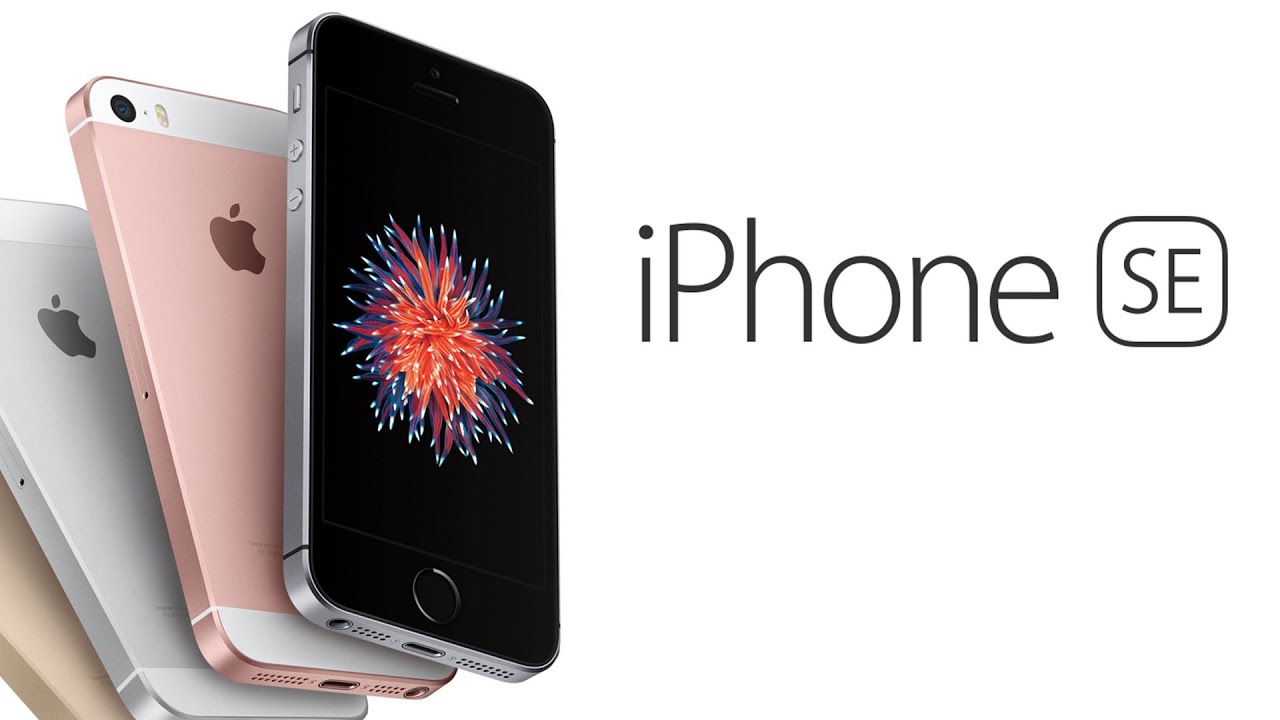
Iphone SE Review: A Boon or Bane


PROS

  • Compact body
  • Great camera
  • Excellent performance
  • Solid battery life


CONS

  • Average screen
  • Poor front-facing camera
  • Still 16 GB starting storage


                                   KEY FEATURES


  • 4-inch IPS Retina screen
  • iOS 9.3
  • A9 dual-core processor
  • 2 GB RAM
  • Touch ID fingerprint sensor
  • 1624 mAh battery
  • 16 or 64 GB storage
  • 12 MP rear camera
  • 1.2 MP Facetime front camera
  • Live photos
  • Manufacturer: Apple
  • Review Price: £359.00

WHAT IS THE IPHONE SE?

The iPhone SE is a strange proposal, but it makes complete sense. With phones getting bigger and bigger, it’s becoming rare to see a device which is comfortably usable in one hand. The Samsung Galaxy S7HTC 10 and iPhone 6S Plus are all great but for many they’re simply too large.
With the iPhone SE, Apple has given these people a choice. Its 4-inch screen and compact body are rare these days, but it’s still one powerful device. There’s the same internals as the iPhone 6S, a snazzy pink (sorry, Rose Gold) hue and support for Apple Pay. Normally small phones are hamstrung, but this isn’t.
It has an impressive camera, a battery that can last, an iconic (if recycled) design and the latest version of iOS. It’s also the most affordable iPhone yet, starting from £359/$399.

IPHONE SE – DESIGN, SCREEN AND AUDIO

A surprising amount of people I speak to say they want a small phone that packs all the features of a full-fat flagship. Sony is the only manufacturer to have previously attempted anything like this, but even its Xperia Z5 Compact has a not-so-tiny 4.6-inch screen and it's quite thick. The iPhone SE is much smaller and much easier to handle.
Anyone who's used an iPhone 5 or iPhone 5S will feel at ease with the iPhone SE – it looks and feels almost identical, except now you can get it in a fetching rose-gold colour and its cut edges are matte rather than shiny chrome.
Those phones have an iconic design and I have no problem with Apple reusing it, especially if it means they can keep costs down and pass the savings on. The best thing about the design of the iPhone SE is that it still feels quality. The brushed aluminium back is both hard and cool to touch, the buttons are solid, and it’s easily small enough to use one-handed, regardless of the size of your hands.
iPhone SE 3
Coming from using the giant iPhone 6S Plus and Huawei Mate 8 I also found it a relief to be able to bend my leg again when I put a phone in my front pocket.
In other ways it’s taken me time to adjust to the smaller screen. It’s not just that I have to move it closer to my face to read text, like my granddad reading the morning paper, I also struggle with the small keyboard. Ironically I often have to use both my hands and thumbs on the phone to minimise the potential for embarrassing autocorrect fails. I've gotten more used to it, but I still don't find it comfortable after a few weeks of using the phone non-stop. The small screen also means watching video is a little cramped and, while the iPhone SE is more than powerful enough to play all the best games, trying to maneuver precisely requires daintier digits than mine.
While the iPhone SE still looks good there are a couple of aspects of the design that aren’t perfect, and others that feel dated. For starters, if you don’t use a case with the iPhone SE you might find the edges a little harsh, particularly if you’re more used to the rounded metal sides on contemporary phone designs. The screen bezel is also rather wide – especially at the top and bottom – and that means you don’t get a lot of screen for the size of the phone.
iPhone SE 11
That’s not the only problem with the screen.
It packs the exact same display as the 5S. While the 1136 x 640 resolution provides a perfectly sharp 326 pixels per inch the screen lacks punch and has a reddish tinge that is exacerbated when it’s tilted at some angles. Compare it to Samsung’s colour-packed Super AMOLED screens or even the newer LCD technology on a phone like the HTC 10 and it really starts looking its age.
Still, it's quite acceptable – bright enough to be used outdoors and sharp enough to read websites on the go without noticing any fuzzy edges to letters.
iPhone SE 10
The speaker located at the bottom of the phone is decent rather than outstanding. Top-level volume isn’t as high as some other phones, but the quality of the audio output is surprisingly good from such a small package – sound is balanced, if a little thin, and there’s no distortion at the highest volume.
Call quality is also strong. The ear speaker is clear and loud and the noise-cancelling mic does a good job of clearing up any distracting external noises when you're on a call. There are louder call speakers out there but I didn't have any problems hearing or making myself heard even on windy days with lots of traffic noise around me.
Neither the design, screen or sound quality excites the blood much – so far the iPhone SE isn't very different at all when compared to its predecessors.

IPHONE SE – CAMERA

The rear iSight camera is where the iPhone SE gets interesting. It packs the same sensor and lens as the iPhone 6S, which means it has one of the most impressive phone cameras on the market right now.

iPhone SE 5

It’s not just the quality of the pictures the iPhone SE delivers that makes it a corker; it’s also dead easy to use. This is thanks to the simple and robust camera app, which also enables the shooting of Live Photos – pictures that can also be viewed as short videos.
The iPhone SE’s camera produces results that belie its specs.
iPhone SE camera photos
The iPhone SE can deliver cracking photos in good light

A 12-megapixel sensor seems adequate these days, rather than impressive, as does the f/2.2 aperture. By comparison the Samsung Galaxy S7 has a wider f/1.7 aperture and the LG G5 an f/1.8 aperture. This is one of those cases where you want the number to be smaller. A smaller aperture means more light can get into the sensor, making for better low-light performance and less chance of blur.
However the iPhone SE doesn’t seem to suffer by comparison. The lens is plenty fast and the “Focus Pixel” (otherwise known as phase detection) technology it uses means speedy focusing too.
iPhone SE camera photosCropped image of a pigeon taking off, showing that the iPhone SE can focus quickly and capture movement well

Shots look more natural and lifelike when compared to some of its high-end competitors, and noise is kept to a minimum.

iPhone SE camera photos 3Macro shot of an orchid shows the iPhone SE can capture details and natural colours

Is it better than the Samsung Galaxy S7 or LG G5 when it comes to image quality in good light? The lines are fine and some will prefer the punchier colours the Samsung or LG deliver over the more lifelike tones of the iPhone. Others won’t. There's no definitive winner.
It’s in low light that the iPhone SE suffers. Wider apertures and optical image stabilisation (OIS) help competing phones deliver more detailed, contrasty shots in dark environments.
iPhone SE camera photosThe cameras on the iPhone SE and 6S Plus are identical apart from OIS, but this makes a difference at night

Of course, there is a flash on the back of the SE and this is of the True Tone variety we first saw on the iPhone 5S. Two LED lights adapt to produce a varied flash depending on the ambient light. The aim is to reproduce a realistic colour tone, where a normal flash tends to produce a “ghost face” effect. It’s not just a gimmick, either – True Tone does work.
Since the SE has the same camera and processor as the 6S, it also shares 4K video recording at 30 frames per second. Not only that but it comes with the excellent slo-mo video recording that lets you shoot at a whopping 240fps for 720p and 120fps at 1080p resolution.
The rear camera on the iPhone SE is outstanding, particularly considering how much less this phone costs than the iPhone 6S.
The front camera is less impressive. Instead of the 5-megapixel sensor on the iPhone 6S it's a disappointing 1.2-megapixel one. Megapixels aren’t everything, but with a difference this large you can expect poorer shots.

iPhone SE front camera comparisonThere's a big difference between the iPhone SE (left) and 6S (right) when it comes to the front camera in low-light conditions

It seems strange that Apple's decided to opt for a weak front camera. I see the iPhone SE being popular with kids whose parents don't want to fork out for the iPhone 6S, but it's exactly these young people who tend to make the most out of a selfie cam.
The one plus side is that Retina Flash makes an appearance. Retina Flash allows the iPhone SE's screen to light up three times more brightly than normal, so you get some light when taking a selfie in the dark. It works well enough but the smaller screen size means it's not quite as effective as on the iPhone 6S.
There's more to a phone than its cameras and the iPhone SE manages to squeeze incredible performance into a small shell.

Review: NBA live lives upto its expectations


While the NBA Live series has struggled on consoles, with the brand possibly damaged beyond repair, what would happen if the game had no entry cost and could reach the hands of more people.

To an extent that can now be assessed with the first-ever mobile edition of NBA Live, which is out on Canadian stores and will be expanding to the U.S. and other regions in the near future. The game is free-to-play but of course supported by the purchase of in-game currency. This is the route that has proven so successful on mobile for the company with their Madden and FIFA flagships.

Surprisingly, not only is NBA Live Mobile a fun game with a compelling concept behind it, but there are even some elements executed better with it than the series does on consoles. The simplification that comes with the Ultimate Team model, generally effective controls, and a free-flowing gameplay design, makes it one of the best team-based sports games to be found on mobile devices.


Researching Products On Amazon Just Got A Whole Lot Easier!
NBA Live Mobile is all about building up your personal team's roster. There's no playing with "real" NBA team rosters. Instead, the user starts with a base roster of low-rated players, and then through the purchase of card packs, acquisitions from the Auction House, and items received through rewards and completing collections, build the team into a powerhouse.

The game starts out with a tutorial that goes over the basics of playing fairly effectively. The controls include an on-screen virtual stick for movement and three "buttons" that have different functions when on offense and defense. There are no optional control schemes. The only thing that can be changed is reversing which side has the stick and which the buttons.

NBA Live Mobile features three primary modes of play. The first is a "Season" which consists of 14 games against A.I.-controlled teams. Win enough of them and make the three-game "Playoffs" and getting through those leads to the one-game Finals. Taking home the championship will bring lots of rewards with it, and then the season starts over against marginally better competition.

There are also Live Events. These are more along the lines of mini-games or brief stretches of gameplay that have an objective to achieve. The completion of them earns more coins and/or rewards in the form of cards, trophies, and collectibles. New Live Events are added daily.


Ultimate eBook Creator. eBook Creator Software for Amazon Kindle, iPad, Android. Create Fiction, Non-Fiction, Fixed Layout, Poetry and Comic eBooks. Create eBooks in MOBI, EPUB, Word and PDF Formats!
Then there are Head-to-Head games. These are turn-based, with the user that initiates the game playing the first and third quarters against the other team's AI controlled players, and the other playing the second and fourth quarters. There are "fans" earned through the games which contribute to leaderboard progression, and advancement on the leaderboards is rewarded with special item packs.

The method of playing "head-to-head" makes some sense but in practice really doesn't work out. I've yet to have a single game go beyond my playing of the first quarter. Either the opponents I've challenged simply have no interest in playing the games or they are seeing a score that I've built up from the first quarter and deciding against continuing.

The economy in NBA Live Mobile is made up of Coins and NBA Cash. The coins are earned through playing the game and selling items. They are used to buy card packs and obtain players from auction. The cash is what is purchased with real money and can only be spent on card packs.

The concern, as always, with the Ultimate Team model is that real money has to be purchased to keep up and compete with others, that it becomes a grind if not spending money which results in the degradation of the fun factor. That hasn't been the case with NBA Live Mobile. I was able to build up a pretty good team without spending money. That hasn't included the top rated players in the game but over time they seem achievable as well. It'll just take a lot longer to complete sets to get them or build up enough in coins to grab individuals at auction.


There is a "Stamina" element built into NBA Live Mobile, which is commonly found in free-to-play games. Each event played uses stamina, and if depleted, you have to wait for it to replenish before playing again, or pay to replenish it immediately.

Thankfully this artificial barrier to playing has only stopped me a few times in the many hours I've been active with the game. Max stamina increases along with hitting some new levels of XP, and it is replenished often enough as a reward that it hasn't proven frustrating yet.

While the building up of the roster is the driving force behind the Ultimate Team concept, the actual gameplay of course matters as well. Quarters are two minutes long and that is sufficient for this type of game. That I found the controls to function well is significant, as I've never believed on-screen controls for traditional team sports games on mobile devices to be a smart design decision. And most developers would agree given the shift to card battles and team building models.

On offense the stick controls movement while the buttons are Pass, Shoot, and "Drive" (holding it down sprints, tapping executes moves like crossovers, spins and hesitations). Holding down the Drive button and swiping over to the Pass and Shoot buttons proved especially effective for taking responsive actions when slashing to the basket or for getting the ball to an open teammate. On defense the buttons are for switching players, blocking shots, and defending (hold down to pressure the ball-handler or tap to try and steal).

There are some really impressive animations in the gameplay and smart movement from the players. When standing around on offense you'll find teammates setting up screens and working to get open. Like every basketball video game there are some issues with the directional-based passing, but here it's not near as frustrating as on consoles. The gameplay slows down on shots in the final 10 seconds of each quarter to add drama, but those scenes play out for too long and become a drag. The shooting meter is great and the rebounding is somehow better in the mobile game than in the console one.


The graphics are excellent for a mobile game. The courts in particular look phenomenal. While there won't be closeups of player faces they are still very recognizable, based on the accurate-looking player models and accessories.

NBA Live Mobile looks like a simulation game but it falls closer to the arcade-side of things. I've only seen a total of seven fouls committed in well over 50 games. There are no eight second or back court violations. Three-point shots and driving to the hoop for scores are money. The A.I. opponents have little clue of how to execute on offense and don't understand late-game situation.

That all leads into the biggest problem with the NBA Live Mobile: it's far too easy. I haven't lost a single game and the vast majority have been blowouts. What good is it investing time towards improving your team when you don't actually feel it's necessary to do so?

All of the players, even those rated around 60, are good enough to get wins with against the A.I. Even in Season Mode, with the A.I. teams getting slightly better each season, user teams just advance at a much faster rate so they'll never be competitive. The game shouldn't be hard but without an actual challenge interest can quickly begin to wane.

What works for NBA Live mobile, as far as a long-term goal, are the collections called "Sets". Putting cards, trophies and other items that have been earned towards these sets will eventually unlock highly-coveted items that even include legends.
The simplicity of the team-building model and enjoyable accessible gameplay puts NBA Live Mobile in the company of the best sports games on mobile. If it doesn't become more challenging however it will remain as simply a lengthy campaign to collect the most desirable players, with little need for them on the actual court.
NBA Live Mobile was reviewed on iOS and is also available for Android devices.