Sunday, 7 August 2016

HP Spectre review:
To  touch or not to touch. That is the question asked of many Windows laptops, from bulky budget boxes to the slimmest premium systems. HP has two new high-end, very thin laptops, and it answers that question differently in each model.
While the 12-inch EliteBook Folio G1 is available with a 1080 or 4K touch screen (there's also an entry-level nontouch version), the much-buzzed-about 13-inch Spectre has only one display option, a 1,920x1,080 nontouch screen.
hp-spectre-2016-01.jpg

It's a trade-off, the company says, required to hit the Spectre's most noteworthy feature -- that it's the world's thinnest full-power laptop, at just 10.4mm thick. That's despite offering current-gen Intel Core i5 and Core i7 processors, rather than the lower-power Core M CPUs in the also-impressive HP EliteBook Folio G1 (and 12-inch Apple MacBook).
With a Core i7-6500U processor, 8GB of RAM and a decent 256GB SSD, the Spectre costs $1,249 in the US. A Core i5 version knocks the price down to $1,169. In the UK, configurations start at £1,149, and AU$2,299 in Australia. Whichever model you choose, just be ready to jump fully into the world of USB-C, the new multipurpose data, power and accessory connector. The Spectre has three USB-C ports along the back. All three can carry data or power, and the two center ones also act as Thunderbolt ports for high-speed data transfer.

HP SPECTRE

Price as reviewed$1,249
Display size/resolution13.3-inch 1,920 x 1,080 screen
PC CPU2.5GHz Intel Core i7-6500U
PC memory8GB DDR3 SDRAM 1,866MHz
Graphics128MB Intel HD Graphics 520
Storage256GB SSD
Networking802.11ac wireless, Bluetooth 4.0
Operating systemWindows 10 Home (64-bit)

Just how thin is the 10.4mm Spectre? Apple's aforementioned 12-inch MacBook and the recent Razer Blade Stealth are both around 13mm thick at their thickest parts, while a 13-inch Dell XPS 13 is about 15mm thick. Since the MacBook is tapered, it's slimmer in the front, thicker in the rear. Down at the 13mm-and-under level, the differences are more about bragging rights than anything else.
hp-spectre-2016-01.jpg


At 2.4 pounds (without its power cable), it's also very light, but not the lightest 13-inch laptop we've tested (that distinction may belong to the Lenovo LaVie). At the very bleeding edge of laptop design, you generally have to choose between thickness and weight, especially when trying to support full Core i-series processors. In this case, HP went for shaving millimeters from the chassis, at the expense of weight and features (such as touch and ports other than slim USB-C ones).
A bold color scheme also helps the Spectre stand out, ditching the usual silver and gray for a dark, smokey gray with gold accents. The entire hinge is a bright, jeweled gold, which just draws more attention to its unusual design (and which picks up fingerprints pretty easily). To avoid unnecessary bulk, the hinge has moved in from the very rear edge, and is instead inset by a tiny bit.
hp-spectre-2016-01.jpg

That hinge mechanism is aluminum, as is the laptop's lid, while the bottom panel is carbon fiber. HP says the mix of materials serves to give the Spectre the right balance between weight and stiffness, especially in the lid. After all, you don't want your very thin tech to feel flimsy and flex under the slightest touch.
Part of making the Spectre this thin was accomplished by flattening the battery into four separate cells that fit across much of the bottom footprint, rather than having to find space for one large battery. The heatsink has been moved off the CPU as well, and instead the Spectre uses small fans to pull air in through bottom vents and funnel it out through the rear. It's a version of a cooling scheme from Intel called hyperbaric cooling.

A surprisingly good keyboard

Compared with other very thin, very light laptops, such as the 12-inch MacBook, the keyboard on the HP Spectre really stands out as excellent. The keys are a little shallower than on a more full-size 13-inch laptop, such as HP's own Spectre x360, but this is still a standard island-style keyboard that doesn't have the learning curve of something like the very flat keys on the MacBook.

The world's thinnest laptop is surprisingly powerful

hp-spectre-2016-01.jpg

The glass touchpad is very good for a Windows laptop, but small enough that it makes you miss the ease of use that comes with a touchscreen in Windows 10. Apple may be able to get away with nontouch laptops, but easy, intuitive multitouch gestures for navigating and managing multiple apps and windows is something OS X (now MacOS) still has over Windows 10.
The only display option is a 1,920x1,080 full HD nontouch screen. This is an IPS display, which means it looks good from even extreme side angles, and the image was very bright and clear, if a little glossy.
Other slim laptops add higher resolutions and touch, and more options are always welcome. HP says it's to keep the lid as thin as possible, which includes a Gorilla Glass top layer over the display. Full HD resolution is perfectly fine for most 13-inch laptop users, and seeing 4K displays at this size is fun, but not always practical, especially considering the battery life cost of 4K.

Slim and speedy

If you've followed the ultrathin laptop market over the past couple of years, the specs inside the Spectre may come as a bit of a surprise -- this is a slim, premium laptop that doesn't rely on Intel's low-power Core M line of processors, as seen in products such as the 12-inch MacBook and Samsung Galaxy TabPro S. Instead, the Spectre uses current-gen mainstream Intel Core i5 and Core i7 CPUs, and more importantly, HP says the efficient cooling allows the CPUs to run at their full speed, rather than being underclocked, which sometimes happens when you try to put too much processor into too small a space.
hp-spectre-2016-01.jpg
View Full Gallery
In our Core i7 test system, the Spectre performed on par with other recent slim Core i7 laptops, all of which use some variation on the low-voltage Core i7-6500U processor from Intel. There's more than enough power under the hood for multitasking, playing HD video, and productivity apps, even all at the same time.
But many of the thinnest laptops use Core M CPUs instead, and two recent examples, the latest 12-inch MacBook and HP's EliteBook Folio, both ran slower in our tests. That said, the second generation of the Core M found in those systems is also perfectly fine for everyday use, even as a work computer.
With all those battery cells crammed in, it's not surprising that the Spectre has decent (but not great) battery life, running for 7:10 in our streaming-video playback test. Apple again throws off the curve, running for about three hours longer, but the Spectre still beats systems such as the EliteBook Folio and Razer Blade Stealth.
hp-spectre-2016-01.jpgView Full Gallery

Conclusion

There are a lot of close contenders, but HP's Spectre takes the prize for being the world's thinnest laptop at just 10.4mm thick. To get it this thin, there are a couple of compromises. You had better be on board with USB-C, because that's all you get, and then there's the single full HD/nontouch display.
But, if you'd pick thin over touch, then the HP Spectre is already one of my top choices. It's a strong performer as well as a head-turner, and people passing by regularly asked to take a closer look at its unique design. Even better, the combo of a Core i7 CPU and a decent 256GB SSD is close to a bargain at $1,249 in the US, which is even less than the slower 12-inch MacBook.

Lenovo Vibe K5 Review


Lenovo Vibe K5

HIGHLIGHTS

  • The Lenovo Vibe K5 is a more affordable version of the Vibe K5 Plus
  • It has a slower processor and lower-resolution screen
  • The camera and battery life are highlights of the Vibe K5
Lenovo's popular low-cost K-series has had a bit of an identity crisis over the past year. The popular low-cost K3 Note was succeeded by the Vibe K4 Note (Review), which didn't really fit into the same category, and then by theVibe K5 Plus (Review), which was more of a return to K-series roots. Priced at just Rs. 8,500, the Vibe K5 Plus actually addresses a lower-cost section of the market than the Vibe K4 Note, and is a viable competitor to similarly priced devices from XiaomiAsusCoolpad, Honor, and others.
Now, Lenovo has decided to introduce two K5 variants in India; the premium K5 Note, and the budgetVibe K5. The former gains the familiar 'Note' suffix, it looks like it's going to be a higher-end all-metal device when it launches. On the other hand, the Vibe K5 is a stripped-down, low-cost phone designed to appeal to those on a tight budget, and this is the device we're taking a closer look at today.
Look and feel
The new Vibe K5 looks pretty much identical to its sibling, the K5 Plus. It has exactly the same style and is available in the same three colours: silver, gold, and grey. We don't mind this at all because we were quite happy with this design the first time we encountered it. It isn't the slickest phone around, but it definitely doesn't look low-end.
The body is all plastic, except for a thin plate of metal in the middle of the rear. This helps the phone feel sturdy, for what it's worth. A shiny chrome ring runs around the front and protects the screen from scratches when the phone is placed face-down on a table. We're a little concerned that the finish will wear off, especially at the corners and edges, but a simple case will help it stay looking fresh.
Grip is pretty good, and one-handed usage is easy. The Vibe K5 is light with gently curved edges on the back. Sadly, the three Android navigation buttons below the screen are not backlit. The Micro-USB and 3.5mm ports are on the top, and the power and volume buttons are on the right. A status LED lights up in the upper right corner of the front when you have a notification.
In addition to the primary camera and flash, you'll see twin speaker grilles and a Dolby logo on the back. Unlike other phones which have symmetrical grilles for looks alone, the Vibe K5 actually does have stereo speakers, which is interesting for this price segment. The rear and sides are a single shell which comes off entirely, and you'll see a removable battery, two Micro-SIM slots and a microSD card slot underneath.
Specifications and software
The Qualcomm Snapdragon 415 SoC is quite a step down from the Snapdragon 616 in the Vibe K5 Plus. The screen resolution is also a step down, from 1080p to 720p. However, most other things are exactly the same across both models. There's still 2GB of RAM and 16GB of storage plus microSD card support. You get 4G support on either SIM, plus Wi-Fi b/g/n and Bluetooth 4.1. The rear camera resolution is 13 megapixels and the front camera can take 5-megapixel shots.
The battery has the same 2750mAh capacity and it should actually last a bit longer on this phone thanks to the less demanding screen and processor. We pointed out in our review of the Lenovo Vibe K5 Plus that it lacked things that some of its competition offers such as a fingerprint sensor or an Infrared emitter, and while this model doesn't have them either, it isn't as big a deal considering the price difference.
You get Android 5.1.1 running a custom skin by Lenovo called VibeUI, which isn't very different from stock Android. It's neat and clean with everything where you'd expect it to be. We noted with the Vibe K5 Plus that there was no dedicated app drawer, but this phone does have one. It's possible that Lenovo added this functionality in an update due to feedback.
Just like with the Vibe K5 Plus, the capacitive Recents button on the front panel has actually been mapped to the deprecated Android menu function, which is only relevant on Lenovo's custom homescreen now and serves no other purpose. You have to long-press this button to see the app switcher. 
Pre-loaded apps include Amazon, Evernote, GameStore, McAfee Security, Route 66 maps, Tap the Frog, Truecaller, Twitter, UC Browser, and WeChat, which are probably useful but uninstallable if you prefer. There's also Lenovo's SHAREit, a Dolby control app, Lenovo Companion for updates and diagnostics, and Theme Center for customising your phone's looks.
Performance
While probably good enough for most people's casual usage, we found the Vibe K5 just a bit sluggish. There were momentary delays when launching apps, pulling up menus, and just generally getting things done. The display has poor viewing angles, taking on a definite tint when you aren't looking at it head-on. Brightness and colours are okay, and you won't find any fault with the 720x1280 resolution at this screen size. The rear-firing speakers can get really loud. While distortion isn't too bad, the overall quality is just about bearable for casual listening. 
This is the first phone in a long time on which our high-definition video sample files did not play smoothly - in fact even a standard-def AVI file started dragging, leaving audio and video out of sync. We tried a few 3D games including Asphalt 8 and found performance to be okay, but not great. Thankfully, at least the Vibe K5 didn't get too hot in use.
We wouldn't push this phone beyond light social networking and a bit of Web surfing though. It's clear that this model exists for a reason, which is to serve basic purposes for entry-level users, for whom even the Vibe K5 Plus might be too expensive. There is no other reason to choose this phone over its relatively beefy sibling.
In terms of benchmarks we got 28,759 points in AnTuTu, 16,162 overall in Quadrant, 4,741 in 3DMark Ice Storm Extreme, and 19fps in GFXBench. These scores are roughly what we'd have expected from mainstream phones a year or two ago, and so they indicate that the phone is perfectly functional but not exciting in any way. Don't expect to run games or apps that push it too hard, either now or in the future.
The rear camera is actually not bad, if you're willing to take shots slow and steady. Focus locking isn't instantaneous but at least it's reliable. Details on plants and metallic objects alike came out looking quite nice, even in overcast outdoor conditions. We even managed to get some excellent depth-of-field effects. The main problem was objects in motion, such as cars. Nighttime shots depended heavily on the amount of light around us. This camera definitely can't pick out the same level of detail in the dark that more expensive ones can, but even a streetlamp should cast enough light for a usable shot. Videos came out alright, and selfies with the front camera are also decent enough.
lenovo_vibe_k5_camsample_day1_ndtv.jpglenovo_vibe_k5_camsample_day2_ndtv.jpglenovo_vibe_k5_camsample_night1_ndtv.jpglenovo_vibe_k5_camsample_night2_ndtv.jpg(Tap to see full size Lenovo Vibe K5 samples)
Finally, battery life was a pleasant surprise, at 8 hours, 33 minutes. This isn't spectacular, but it reflects the low-power screen and processor in the phone. We were able to get through a day and a half without needing to recharge, but that was without playing games or watching videos.
Verdict
You definitely don't get what you don't pay for, which in this case is performance. Of course you can buy a better product if you can spend even just a little more, but clearly Lenovo has identified a target audience and it's nice for everyone to have this option. The Vibe K5 makes sense if you're on a water-tight budget.
Thankfully, there's a lot to like about the Vibe K5. Despite its general slowness, this phone covers all the basics and is perfectly usable. The software is sensible for the most part, battery life is decent, and camera quality is impressive. There are no glaring flaws or compromises that you'd have to live with. Plus, it actually looks quite good and won't make you feel like you had to settle for less than you wanted.

Thursday, 28 July 2016

Xiaomi Redmi Pro Review: Xiaomi never fails to surprise


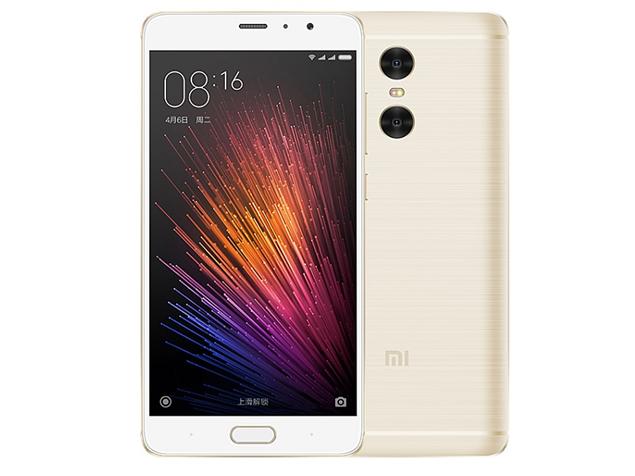
Xiaomi Redmi Pro smartphone was launched in July 2016. The phone comes with a 5.50-inch touchscreen display with a resolution of 1080 pixels by 1920 pixels at a PPI of 342 pixels per inch.

The Xiaomi Redmi Pro is powered by 2.1GHz MediaTek Helio X20 processor and it comes with 3GB of RAM. The phone packs 32GB of internal storage that can be expanded up to 128GB via a microSD card. As far as the cameras are concerned, the Xiaomi Redmi Pro packs a 13-megapixel primary camera on the rear and a 5-megapixel front shooter for selfies.

The Xiaomi Redmi Pro runs Android and is powered by a 4050mAh non removable battery. It measures 151.50 x 76.20 x 8.15 (height x width x thickness) and weighs 174.00 grams.

The Xiaomi Redmi Pro is a dual SIM (GSM and GSM) smartphone that accepts Nano-SIM and Micro-SIM Connectivity options include Wi-Fi, GPS, Bluetooth, 3G, 4G (with support for Band 40 used by some LTE networks in India). Sensors on the phone include Proximity sensor, Ambient light sensor, Accelerometer, and Gyroscope.

About Xiaomi
Xiaomi is a privately owned company that designs, develops, and sells smartphones, an Android-based OS, and other consumer electronics. Xiaomi also makes fitness trackers, TVs, air purifiers, and tablets. It has a skin for its Android phones and tablets – MIUI. The company largely sells its phones via flash sales in India.

Display

5.50-inch

Processor

2.1GHz

Front Camera

 5-megapixel

Resolution

 1080x1920 pixels

RAM

 3GB

OS

 Android

Storage

32GB

Rear Camera

13-megapixel

Battery capacity

4050mAh

Xiaomi Redmi Pro detailed specifications
                         
                            General
Release dateJuly 2016
Form factorTouchscreen
Dimensions (mm)151.50 x 76.20 x 8.15
Weight (g)174.00
Battery capacity (mAh)4050
Removable batteryNo
ColoursGold, Silver, Dark Grey


DISPLAY
Screen size (inches)5.50
TouchscreenYes
Resolution1080x1920 pixels
Pixels per inch (PPI)342
                                                                                                                HARDWARE

Processor


2.1GHz 
Processor makeMediaTek Helio X20
RAM3GB
Internal storage32GB
Expandable storageYes
Expandable storage typemicroSD
Expandable storage up to (GB)128


CAMERA


Rear camera


13-megapixel
FlashYes
Front camera5-megapixel


                        SOFTWARE

Operating System


Android 
SkinMIUI
                                                             CONNECTIVITY


Wi-Fi


Yes
Wi-Fi standards supported802.11 b/ g/ n
GPSYes
BluetoothYes, v 4.20
NFCNo
InfraredYes
USB OTGYes
Headphones3.5mm
FMNo
Number of SIMs2
SIM 1 
SIM TypeNano-SIM
GSM/ CDMAGSM
3GYes
4G/ LTEYes
Supports 4G in India (Band 40)Yes
SIM 2 
SIM TypeMicro-SIM
GSM/ CDMAGSM
3GYes
4G/ LTEYes
Supports 4G in India (Band 40)Yes


                                                                       SENSORS

Compass/ Magnetometer


No 
Proximity sensorYes
AccelerometerYes
Ambient light sensorYes
GyroscopeYes
BarometerNo
Temperature sensorNo

Wednesday, 27 July 2016

Iphone SE Review: A Boon or Bane


PROS

  • Compact body
  • Great camera
  • Excellent performance
  • Solid battery life


CONS

  • Average screen
  • Poor front-facing camera
  • Still 16 GB starting storage


                                   KEY FEATURES


  • 4-inch IPS Retina screen
  • iOS 9.3
  • A9 dual-core processor
  • 2 GB RAM
  • Touch ID fingerprint sensor
  • 1624 mAh battery
  • 16 or 64 GB storage
  • 12 MP rear camera
  • 1.2 MP Facetime front camera
  • Live photos
  • Manufacturer: Apple
  • Review Price: £359.00

WHAT IS THE IPHONE SE?

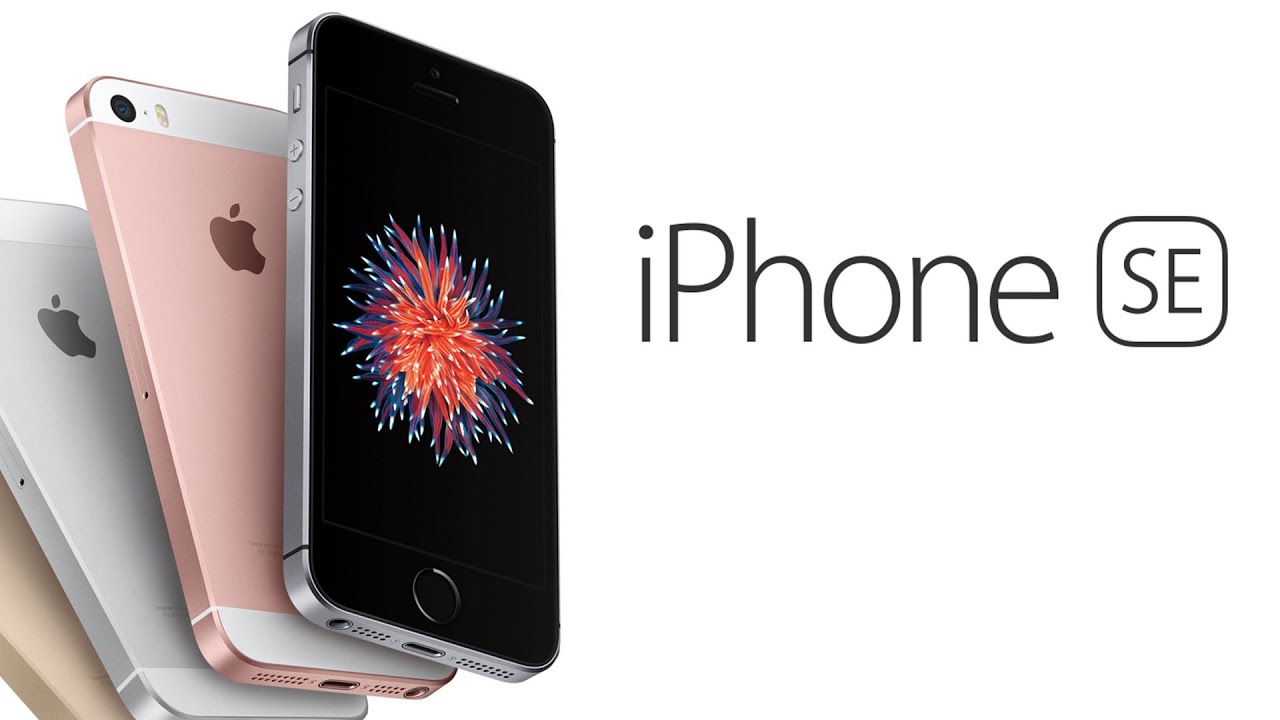
The iPhone SE is a strange proposal, but it makes complete sense. With phones getting bigger and bigger, it’s becoming rare to see a device which is comfortably usable in one hand. The Samsung Galaxy S7HTC 10 and iPhone 6S Plus are all great but for many they’re simply too large.
With the iPhone SE, Apple has given these people a choice. Its 4-inch screen and compact body are rare these days, but it’s still one powerful device. There’s the same internals as the iPhone 6S, a snazzy pink (sorry, Rose Gold) hue and support for Apple Pay. Normally small phones are hamstrung, but this isn’t.
It has an impressive camera, a battery that can last, an iconic (if recycled) design and the latest version of iOS. It’s also the most affordable iPhone yet, starting from £359/$399.

IPHONE SE – DESIGN, SCREEN AND AUDIO

A surprising amount of people I speak to say they want a small phone that packs all the features of a full-fat flagship. Sony is the only manufacturer to have previously attempted anything like this, but even its Xperia Z5 Compact has a not-so-tiny 4.6-inch screen and it's quite thick. The iPhone SE is much smaller and much easier to handle.
Anyone who's used an iPhone 5 or iPhone 5S will feel at ease with the iPhone SE – it looks and feels almost identical, except now you can get it in a fetching rose-gold colour and its cut edges are matte rather than shiny chrome.
Those phones have an iconic design and I have no problem with Apple reusing it, especially if it means they can keep costs down and pass the savings on. The best thing about the design of the iPhone SE is that it still feels quality. The brushed aluminium back is both hard and cool to touch, the buttons are solid, and it’s easily small enough to use one-handed, regardless of the size of your hands.
iPhone SE 3
Coming from using the giant iPhone 6S Plus and Huawei Mate 8 I also found it a relief to be able to bend my leg again when I put a phone in my front pocket.
In other ways it’s taken me time to adjust to the smaller screen. It’s not just that I have to move it closer to my face to read text, like my granddad reading the morning paper, I also struggle with the small keyboard. Ironically I often have to use both my hands and thumbs on the phone to minimise the potential for embarrassing autocorrect fails. I've gotten more used to it, but I still don't find it comfortable after a few weeks of using the phone non-stop. The small screen also means watching video is a little cramped and, while the iPhone SE is more than powerful enough to play all the best games, trying to maneuver precisely requires daintier digits than mine.
While the iPhone SE still looks good there are a couple of aspects of the design that aren’t perfect, and others that feel dated. For starters, if you don’t use a case with the iPhone SE you might find the edges a little harsh, particularly if you’re more used to the rounded metal sides on contemporary phone designs. The screen bezel is also rather wide – especially at the top and bottom – and that means you don’t get a lot of screen for the size of the phone.
iPhone SE 11
That’s not the only problem with the screen.
It packs the exact same display as the 5S. While the 1136 x 640 resolution provides a perfectly sharp 326 pixels per inch the screen lacks punch and has a reddish tinge that is exacerbated when it’s tilted at some angles. Compare it to Samsung’s colour-packed Super AMOLED screens or even the newer LCD technology on a phone like the HTC 10 and it really starts looking its age.
Still, it's quite acceptable – bright enough to be used outdoors and sharp enough to read websites on the go without noticing any fuzzy edges to letters.
iPhone SE 10
The speaker located at the bottom of the phone is decent rather than outstanding. Top-level volume isn’t as high as some other phones, but the quality of the audio output is surprisingly good from such a small package – sound is balanced, if a little thin, and there’s no distortion at the highest volume.
Call quality is also strong. The ear speaker is clear and loud and the noise-cancelling mic does a good job of clearing up any distracting external noises when you're on a call. There are louder call speakers out there but I didn't have any problems hearing or making myself heard even on windy days with lots of traffic noise around me.
Neither the design, screen or sound quality excites the blood much – so far the iPhone SE isn't very different at all when compared to its predecessors.

IPHONE SE – CAMERA

The rear iSight camera is where the iPhone SE gets interesting. It packs the same sensor and lens as the iPhone 6S, which means it has one of the most impressive phone cameras on the market right now.

iPhone SE 5

It’s not just the quality of the pictures the iPhone SE delivers that makes it a corker; it’s also dead easy to use. This is thanks to the simple and robust camera app, which also enables the shooting of Live Photos – pictures that can also be viewed as short videos.
The iPhone SE’s camera produces results that belie its specs.
iPhone SE camera photos
The iPhone SE can deliver cracking photos in good light

A 12-megapixel sensor seems adequate these days, rather than impressive, as does the f/2.2 aperture. By comparison the Samsung Galaxy S7 has a wider f/1.7 aperture and the LG G5 an f/1.8 aperture. This is one of those cases where you want the number to be smaller. A smaller aperture means more light can get into the sensor, making for better low-light performance and less chance of blur.
However the iPhone SE doesn’t seem to suffer by comparison. The lens is plenty fast and the “Focus Pixel” (otherwise known as phase detection) technology it uses means speedy focusing too.
iPhone SE camera photosCropped image of a pigeon taking off, showing that the iPhone SE can focus quickly and capture movement well

Shots look more natural and lifelike when compared to some of its high-end competitors, and noise is kept to a minimum.

iPhone SE camera photos 3Macro shot of an orchid shows the iPhone SE can capture details and natural colours

Is it better than the Samsung Galaxy S7 or LG G5 when it comes to image quality in good light? The lines are fine and some will prefer the punchier colours the Samsung or LG deliver over the more lifelike tones of the iPhone. Others won’t. There's no definitive winner.
It’s in low light that the iPhone SE suffers. Wider apertures and optical image stabilisation (OIS) help competing phones deliver more detailed, contrasty shots in dark environments.
iPhone SE camera photosThe cameras on the iPhone SE and 6S Plus are identical apart from OIS, but this makes a difference at night

Of course, there is a flash on the back of the SE and this is of the True Tone variety we first saw on the iPhone 5S. Two LED lights adapt to produce a varied flash depending on the ambient light. The aim is to reproduce a realistic colour tone, where a normal flash tends to produce a “ghost face” effect. It’s not just a gimmick, either – True Tone does work.
Since the SE has the same camera and processor as the 6S, it also shares 4K video recording at 30 frames per second. Not only that but it comes with the excellent slo-mo video recording that lets you shoot at a whopping 240fps for 720p and 120fps at 1080p resolution.
The rear camera on the iPhone SE is outstanding, particularly considering how much less this phone costs than the iPhone 6S.
The front camera is less impressive. Instead of the 5-megapixel sensor on the iPhone 6S it's a disappointing 1.2-megapixel one. Megapixels aren’t everything, but with a difference this large you can expect poorer shots.

iPhone SE front camera comparisonThere's a big difference between the iPhone SE (left) and 6S (right) when it comes to the front camera in low-light conditions

It seems strange that Apple's decided to opt for a weak front camera. I see the iPhone SE being popular with kids whose parents don't want to fork out for the iPhone 6S, but it's exactly these young people who tend to make the most out of a selfie cam.
The one plus side is that Retina Flash makes an appearance. Retina Flash allows the iPhone SE's screen to light up three times more brightly than normal, so you get some light when taking a selfie in the dark. It works well enough but the smaller screen size means it's not quite as effective as on the iPhone 6S.
There's more to a phone than its cameras and the iPhone SE manages to squeeze incredible performance into a small shell.